National Cancer Prevention Month: Essential Strategies to Reduce Your Cancer Risk
February is National Cancer Prevention Month—a time to focus on lowering cancer risk through awareness and action. Cancer is the second leading cause of death in the United States, but many types of cancer can be prevented by making informed choices and adopting healthier lifestyles.
Understanding Cancer and Its Risk Factors
Cancer is a group of diseases characterized by the uncontrolled growth and spread of abnormal cells. There are many types of cancer, each with its unique set of causes and risk factors. Some common risk factors include:
- Genetic Predisposition: Genetics plays a significant role in the risk of some cancers. Individuals can inherit mutations in specific genes from their parents that increase their cancer risk. For example, mutations in the BRCA1 and BRCA2 genes are well-known for significantly increasing the risk of breast and ovarian cancers.
- Lifestyle Factors: Smoking, excessive alcohol consumption, poor diet, and physical inactivity can all contribute to cancer risk.
- Environmental Exposures: Exposure to certain chemicals, radiation, and sunlight can increase cancer risk.
Understanding these risk factors helps you develop strategies to prevent or reduce cancer risk, such as genetic testing, lifestyle changes, and avoiding harmful exposures. However, not all cancers are preventable, and having risk factors doesn’t guarantee you’ll develop cancer. Conversely, people without these risk factors can still develop cancer.
Prevention Strategies
Healthcare providers have made remarkable advancements in understanding the complex biology of cancer cells, leading to more effective diagnostic tools and treatment options. These strides in medical research and technology have resulted in more personalized treatments, improving survival rates and quality of life for cancer patients.
However, you shouldn’t rely solely on future medical breakthroughs. You can take proactive steps today to safeguard your health.
Regular Screenings and Vaccinations
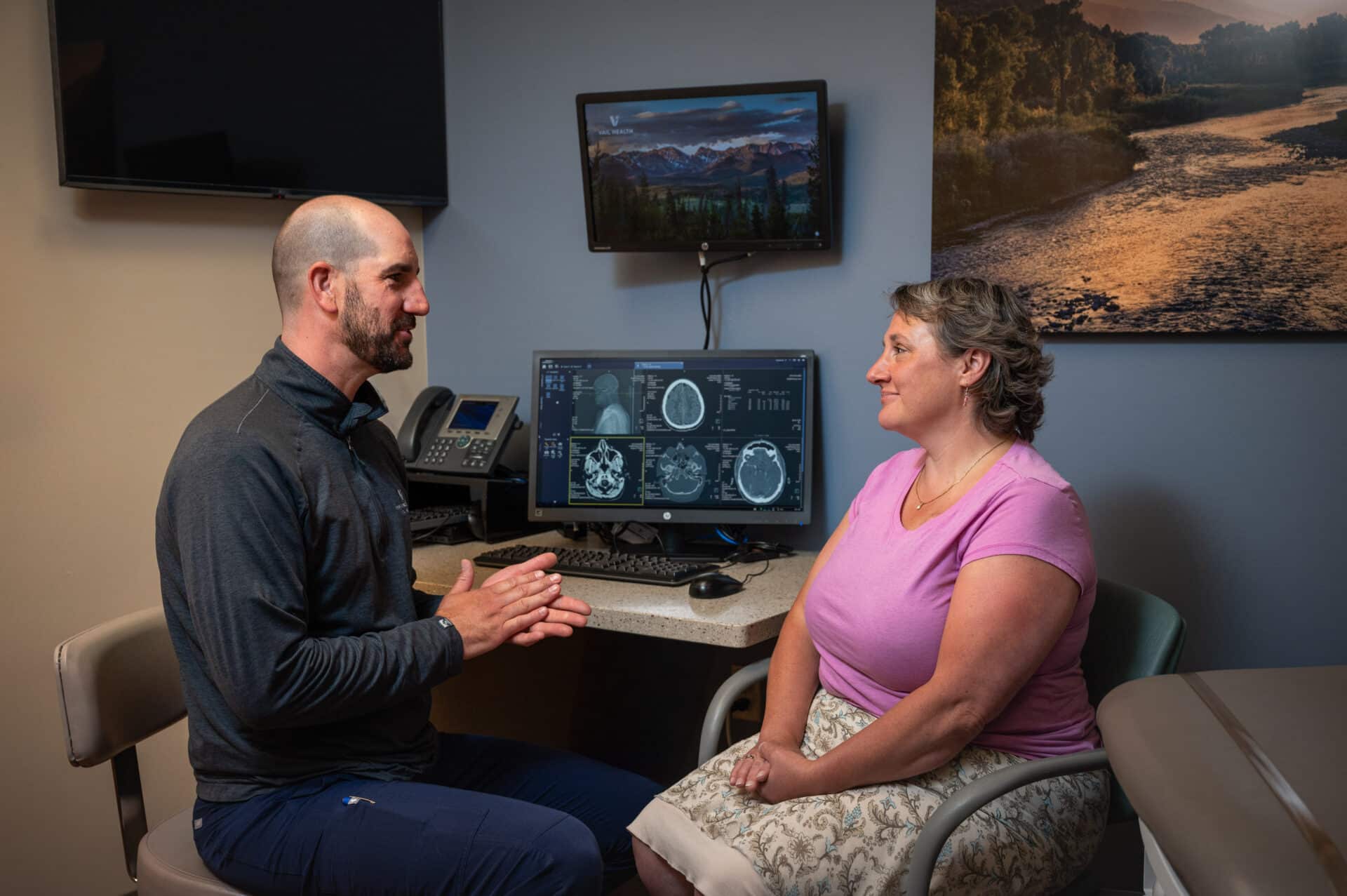
Regular screening tests are crucial for detecting cancer at its earliest, most treatable stages. These tests vary based on factors such as age, gender, and family history, and they can catch malignancies before symptoms appear. Common screenings include:
- Mammograms for breast cancer
- Colonoscopy for colorectal cancer
- Low-dose CT scans for lung cancer screening
- Pap tests and HPV tests for cervical cancer
Vaccinations, such as the human papillomavirus (HPV) vaccine, can also prevent certain types of cancer. The HPV vaccine is recommended for preteens but can be given to adults up to age 45.
Body Awareness
In addition to screenings, stay vigilant about changes in your body. Unexplained weight loss, persistent fatigue, unusual lumps, or changes in bowel or bladder habits warrant a consultation with your healthcare provider. Early detection often leads to more effective treatment options and better outcomes.
Diet and Nutrition
A healthy diet plays a crucial role in cancer prevention. Incorporate a variety of fruits, vegetables, whole grains, and lean proteins to help lower your cancer risk. Limit processed and red meats, and reduce foods high in sugar and saturated fat.
Physical Activity
Regular physical activity helps reduce the risk of several types of cancer, including breast, colon, and endometrial cancer. Aim for at least 150 minutes of moderate-intensity or 75 minutes of high-intensity exercise each week.
Avoiding Tobacco and Limiting Alcohol
Tobacco use is the single most significant preventable cause of cancer. Quitting smoking and avoiding secondhand smoke are crucial for cancer prevention. Additionally, limiting alcohol consumption reduces the risk of certain cancers, including liver, breast, and colorectal cancer.
Sun Protection
Excessive exposure to ultraviolet (UV) rays from the sun or tanning beds can lead to skin cancer. Protect your skin with sunscreen (SPF 30 or higher), wear protective clothing, and avoid peak sun hours to significantly reduce your risk.
Protect Yourself and Your Loved Ones
National Cancer Prevention Month reminds us to take proactive steps to reduce cancer risk. By understanding risk factors and implementing effective prevention strategies, you can significantly lower your chances of developing cancer.
Focus on small, sustainable changes to build better prevention habits throughout the year. Learn your family history and discuss personalized ways to reduce your cancer risk with your primary care provider. Let’s use this opportunity to make a positive impact on our health and the health of those around us. Don’t wait for symptoms—early detection saves lives.
Schedule your cancer screening today. Contact your primary care provider to discuss which prevention screenings are right for you.
Reviewed by Suzanne Torris, MS, RN, CNML, Director of the 24/7 Program.