Making Your Generosity Go Further: Smart Giving in 2026
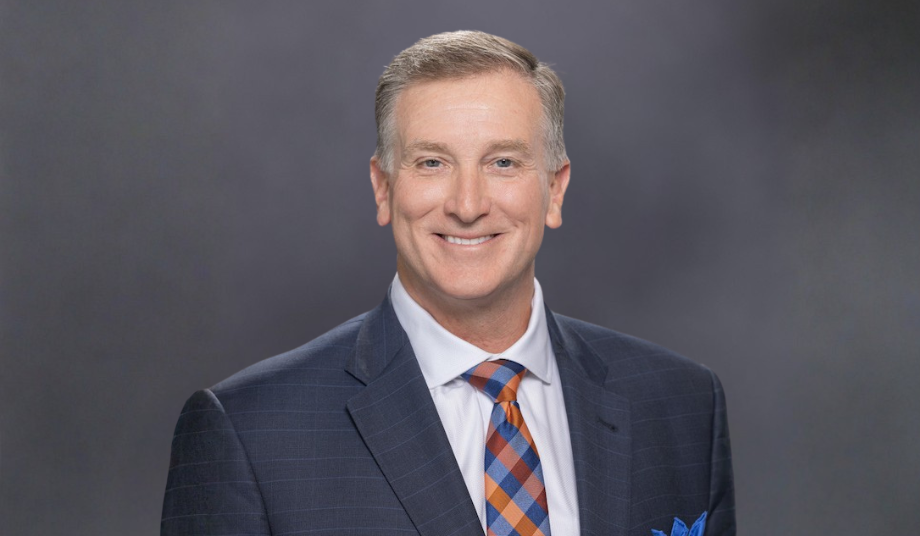
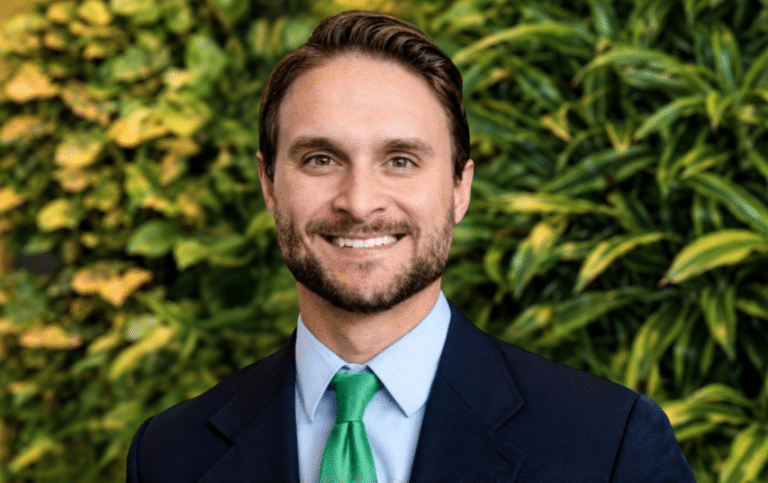
A Q&A with Bill Gustoff, J.D., FCEP, Thompson and Associates
The tax environment for charitable giving has shifted meaningfully in 2026, and Vail Health Foundation benefactors have more to gain, or lose, depending on how they structure their gifts. Bill Gustoff of Thompson and Associates partners with Vail Health Foundation to offer complimentary estate planning consultations to our benefactors. We asked him to break down what’s changed and what it means for people who care deeply about supporting exceptional health care in our community.
What should you know about how the tax landscape has shifted this year?
The One Big Beautiful Bill Act, signed into law July 4, 2025, made two changes that are particularly relevant to higher-income givers who itemize deductions. First, the initial 0.5% of your adjusted gross income given to charity is no longer deductible, so there’s effectively a floor before your giving generates a tax benefit. Second, if you’re in the top income bracket, your itemized deductions are now only worth 35 cents on the dollar rather than 37. Neither change is catastrophic, but together they reward thoughtful planning and penalize a passive, set-it-and-forget-it approach to giving.
How does that change the way you should think about the timing of their gifts?
It makes timing much more consequential than it used to be. Your adjusted gross income in a given year now directly affects how much value you actually receive from a charitable deduction. So if you have a year with a significant liquidity event—a business sale, a large Roth conversion, equity compensation vesting, or a retirement transition—that’s often the year to be more aggressive with your giving. Spreading gifts evenly across years sounds tidy, but it may mean you’re never fully clearing that AGI floor efficiently. Concentrating on giving during your higher-income years (often referred to as “bunching” of gifts) is often the smarter move.
How does any of this apply to benefactors who have already made multi-year pledges to Vail Health Foundation?
If someone has a pledge structured over several years and expects particularly high income this year, accelerating a portion of that pledge could generate a more meaningful deduction now versus spreading it across years where the tax benefit is diluted. That’s not the right move for everyone, but it’s the kind of thing we can look at individually in a consultation.
What about drawing from retirement accounts? Are there options there?
Absolutely—and this is one of the most underutilized strategies I see. A “Qualified Charitable Distribution,” or QCD, allows someone age 70½ or older to transfer funds directly from an IRA to a qualified charity. Current law allows QCDs from only IRAs. The critical distinction is that a QCD isn’t a deduction; it’s an income exclusion. That money never shows up in your taxable income at all, which means the new AGI floor and the deduction cap don’t apply to it. For 2026, the limit is $111,000 per taxpayer. It can also count toward your required minimum distribution if you’re 73 or older. For benefactors who want to support Vail Health Foundation in a tax-efficient way and who are in or near retirement, this is one of the most powerful tools available.
Are there giving vehicles that work well for benefactors with appreciated assets, such as stock or real estate?
There are several. A charitable remainder trust lets you contribute appreciated assets, avoid an immediate capital gains event, receive income over your lifetime, and ultimately direct the remainder to a charitable organization. The deduction is subject to the new rules, but the ability to diversify a concentrated position without a large immediate tax bill is often the more compelling reason to consider it. A donor-advised fund is another option—it’s flexible, straightforward, and allows you to make a large contribution in a high-income year and then recommend grants to organizations (like Vail Health Foundation) over time.
What would you say to someone who wants to be more intentional about their giving but isn’t sure where to start?
Start a conversation before the end of the year—ideally before any major financial events, not after. A common mistake I see is benefactors making giving decisions in isolation from the rest of their financial picture. When we sit down together, we look at estate goals, existing assets, and what matters most to you philanthropically. From there, the right strategy usually becomes clear. The goal is always to honor both your generosity and your financial well-being. In most cases, you don’t have to choose between them.
Schedule a complimentary one-hour estate planning consultation with Bill Gustoff. Get expert guidance on wills, trusts, and charitable legacy planning. Contact us at 970.569.7766 or Foundation@VailHealth.org.