A Conversation With Dr. Todd Nickel
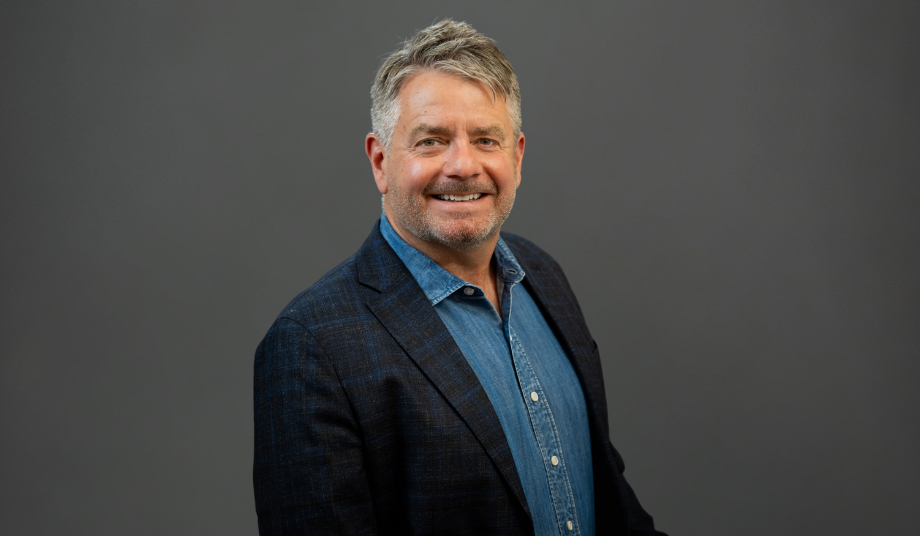
You recently joined Colorado Mountain Medical as an ophthalmologist. What attracted you to our community, and what are you excited to bring to the practice?
I’m thrilled to be part of Colorado Mountain Medical and to be at this stage in my career. My wife, Stephanie, and I spent our first three years of marriage in South Denver, and during that time, we spent most of our free time in the mountains. Then, over the last 30 years, with our four kids, we have vacationed here almost every year. We have always loved this area for our outdoor interests, and the fact that we can now be part of this community and live here full-time is a dream come true. When we saw the need to provide ophthalmic surgical coverage for Summit County, Garfield County, and beyond, we excitedly joined this wonderful team.
What I’m most excited to bring to this area is more than 20 years of expertise in lens replacement, cataract surgery, LASIK, and glaucoma management and surgery. The ophthalmology specialty is amazing, with so much technology, and we continue to realize how we can improve our patients’ quality of life through cutting-edge technology and intraocular lenses.
Can you share a snapshot of your training and career path? What led you to specialize in ophthalmology?
My career in ophthalmology started a little bit later than what is traditional. I started medical school when I was 30. My dad was an optometrist in a small town in Kansas where I grew up, and I witnessed his care and leadership there. He took care of the eyes of a large region in southeast Kansas, set a great example as a professional, and ran his practice with a high level of service and care for his patients.
When I was in medical school, my interest in ophthalmology led me to shadow as many ophthalmologists as possible. It was such an intriguing specialty to me. I was fortunate to be selected for training at the University of Kansas in Kansas City, where I received excellent surgical and clinical training. Many of my mentors were leaders in refractive surgery, and I gleaned all I could in that environment.
Straight out of residency, we landed in Tyler, Texas, at the top ophthalmic practice in East Texas, Heaton Eye Associates. From my earliest years in that practice, I performed a high volume of cataract surgery and LASIK. Our practice stayed at the cutting edge of technology throughout my entire career there, and we were often the first in East Texas to implant new high-tech intraocular lenses and to perform different types of LASIK surgery, including all-laser LASIK, many years ago. So, I got some of the best on-the-job training and experience a young surgeon could want. We were there for two decades and loved raising our kids in East Texas, and I loved my practice and my partners. We left our successful practice to seize this opportunity in the mountains, where there is a significant need for eye surgery coverage. We are now thrilled to be in this area for the beauty and recreation, and we’ve also found the community to be a warm, wonderful place to live.
What are the most common eye health issues you see in patients, and what can people do to prevent them?
The most common eye conditions I see are cataracts, glaucoma, diabetes-related eye problems, and macular degeneration. We collaborate with all the other fine subspecialists at Colorado Mountain Medical to coordinate care and surgery as needed for our patients here. Glaucoma has become a dynamic aspect of my practice, as minimally invasive glaucoma surgeries have become a relatively simple and effective way to help patients manage the condition and prevent blindness.
One thing I love educating patients about is changes in the natural human crystalline lens. There is a misconception that we don’t develop cataracts until we are very old. Lens dysfunction syndrome is basically the progression from presbyopia to cataracts in patients in their 40s and beyond. The human crystalline lens becomes more rigid in our 40s and 50s, and then in our mid-50s, it starts to become opaque. This is the development of cataracts, which simply means opacity and dysfunction in the human lens. The great news is that at any time in this age range where vision becomes challenging and affects activities of daily living, a simple lens replacement surgery—otherwise known as cataract surgery—can be performed to not only solve this problem but also to correct refractive error and, in many cases, eliminate or decrease the need for glasses or contact lenses. Decreased vision from cataracts is such an easy problem to fix with today’s technology.
How does our active, outdoor lifestyle in the Vail Valley affect eye health? What should people know about protecting their eyes in this environment?
The active outdoor lifestyle in the mountains is unique and can pose challenges to our eyes and eye health. It’s important to protect our eyes from trauma during high-output exercise, such as skiing, trail running, or mountain biking. It’s also important to protect our eyes from ultraviolet rays to help slow the progression of macular degeneration and even cataracts. The dry climate in the mountains also contributes to more dry-eye-related challenges than I’ve seen elsewhere. Yet we can help patients understand how to treat these problems using conservative and prescription-based solutions.
What’s one common misconception about eye health you’d like to clear up?
One misconception about eye health is that there’s no answer to vision problems. In fact, there is almost always something we can do to improve vision. Many patients are satisfied with glasses or contact lenses, but others—especially in this active outdoor community—would love to be spectacle-free. The range of surgeries and options we offer across the age spectrum is impressive, and we can perform most available refractive procedures right here at Colorado Mountain Medical. With more than 20 years of experience in progressive refractive surgery, I can help patients determine whether they’re candidates for these procedures and create a plan to achieve their goals of visual freedom.
Some of the greatest advances in eye care today involve intraocular lens implants (IOLs). With safe, precise eye surgery and newer technology IOLs, we can achieve excellent vision outcomes. We’re also seeing tremendous progress in minimally invasive glaucoma surgeries, which allow patients to manage the condition more effectively and prevent blindness. And the evolution of refractive surgery options, from all-laser LASIK to advanced lens replacement procedures, continues to offer patients more choices to achieve their vision goals.

What advances in eye care are making the biggest difference for patients today?