Preventive Eye Care: What Your Eye Exam Can Reveal About Your Overall Health
Vision impairment ranks among the top 10 disabilities affecting US adults and is one of the most common disabling conditions in children. According to the Centers for Disease Control and Prevention (CDC), approximately seven million Americans currently live with vision impairment, including one million who meet the clinical definition of blindness. Experts project that number will more than double by 2050 as the population ages and chronic diseases that damage the eyes, particularly diabetes, become more widespread.
Why Preventive Eye Care Matters
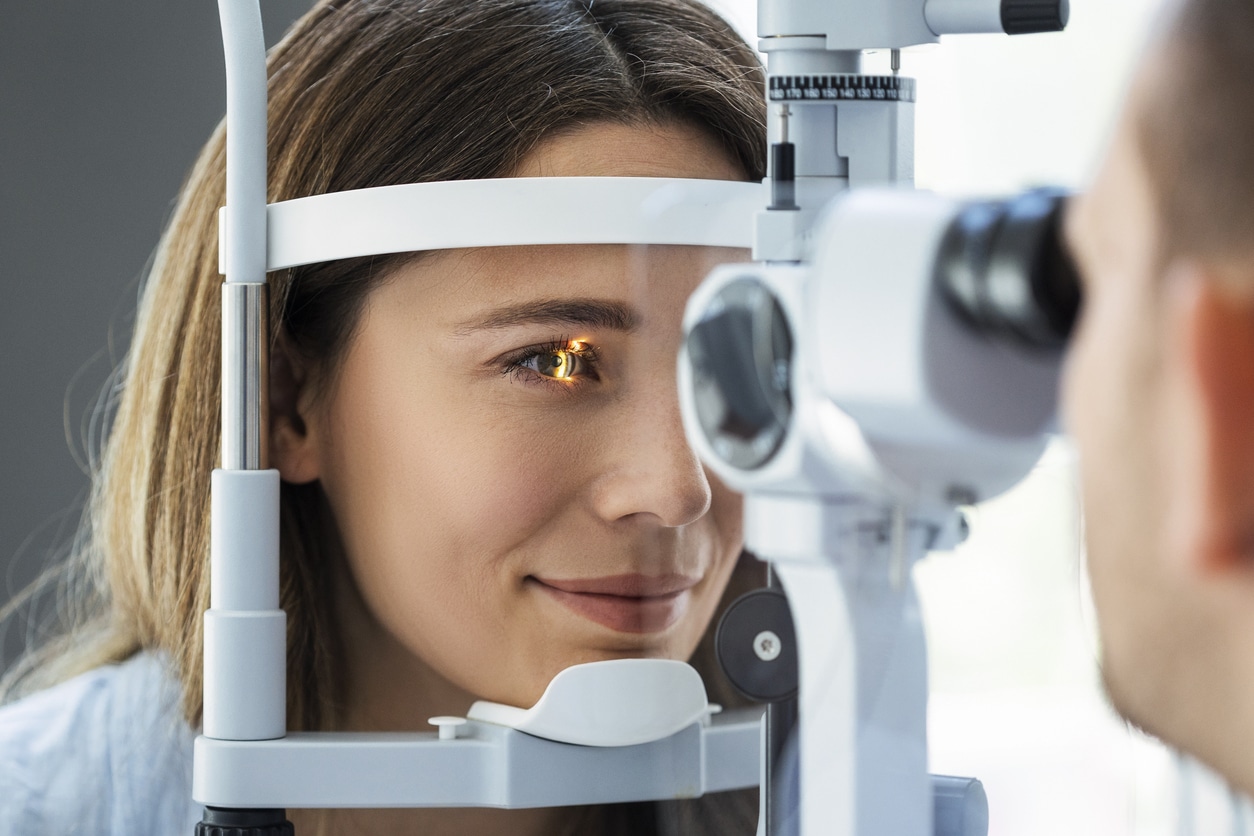
Preventive eye care helps protect your eyes before problems develop or progress. The CDC estimates that half of visual impairment and blindness can be prevented through early diagnoses and treatment. Routine eye exams can detect glaucoma, diabetic retinopathy, macular degeneration, and other conditions before symptoms appear, when treatment is most effective.
The need goes beyond reading glasses. More than 3.4 million Americans 40 and older have blindness or visual impairment, and about 80 million have diseases that can cause blindness. A dilated eye exam offers the only way to detect some common eye diseases early.
Eye health also connects to overall health. Eye exams can reveal the effects of diabetes, high blood pressure, and other chronic conditions. The National Eye Institute advises people with diabetes or high blood pressure to ask their doctor how often they need an exam, and many need a dilated eye exam at least once a year.
Everyday Habits That Help Protect Vision
Children need vision screenings beginning in infancy and throughout the school years. Adults need exams based on age, health history, and risk factors. Those with diabetes, a family history of glaucoma, or other conditions that affect the eyes may need yearly exams. Many serious eye conditions cause no early symptoms, so regular care can catch what you may not feel or notice.
Everyday habits can also help protect vision:
- Wear UV-blocking sunglasses outdoors year-round.
- Take screen breaks using the 20-20-20 rule (every 20 minutes, look at something 20 feet away for 20 seconds).
- Eat leafy greens, fatty fish, and colorful vegetables.
- Wear protective eyewear during sports, yard work, and home projects.
- Avoid smoking, which raises the risk of cataracts and macular degeneration.
Protecting Children’s Vision
August is nationally recognized as Children’s Eye Health and Safety Month—a fitting reminder that preventive eye care matters at every age and that the stakes for children, whose developing vision directly shapes their ability to learn, are especially high.
Children’s Eye Health and Safety Month, championed by the national nonprofit Prevent Blindness since 1908, highlights common childhood conditions, including myopia (nearsightedness), amblyopia (lazy eye), and strabismus (crossed eyes), that respond well to early treatment; delayed diagnosis can lead to lasting effects.
Watch for these warning signs in your child:
- Squinting or tilting their head to see clearly
- Sitting unusually close to the TV or screen
- Avoiding books, puzzles, or activities that require near vision
- Frequent eye rubbing or complaints of headaches
- One eye that drifts or turns inward or outward
If any of those sound familiar, schedule a comprehensive eye exam—not just a school screening, but a full evaluation with an eye care professional.
Reach Out To Protect Your Sight
Preventive eye care can help you catch concerns early, manage risk factors, and protect your long-term vision. Whether you need a routine exam, have noticed changes in your sight, or live with a condition that affects eye health, timely care matters.
Vail Health offers ophthalmology services through Colorado Mountain Medical, including comprehensive eye care and treatment for conditions such as glaucoma, diabetic retinopathy, and macular degeneration. Reach out today to make eye health part of your overall wellness routine.
This article was reviewed by Dr. Todd Nickel, DO, Ophthalmologist at Colorado Mountain Medical.