A Conversation With Amy Lavigne
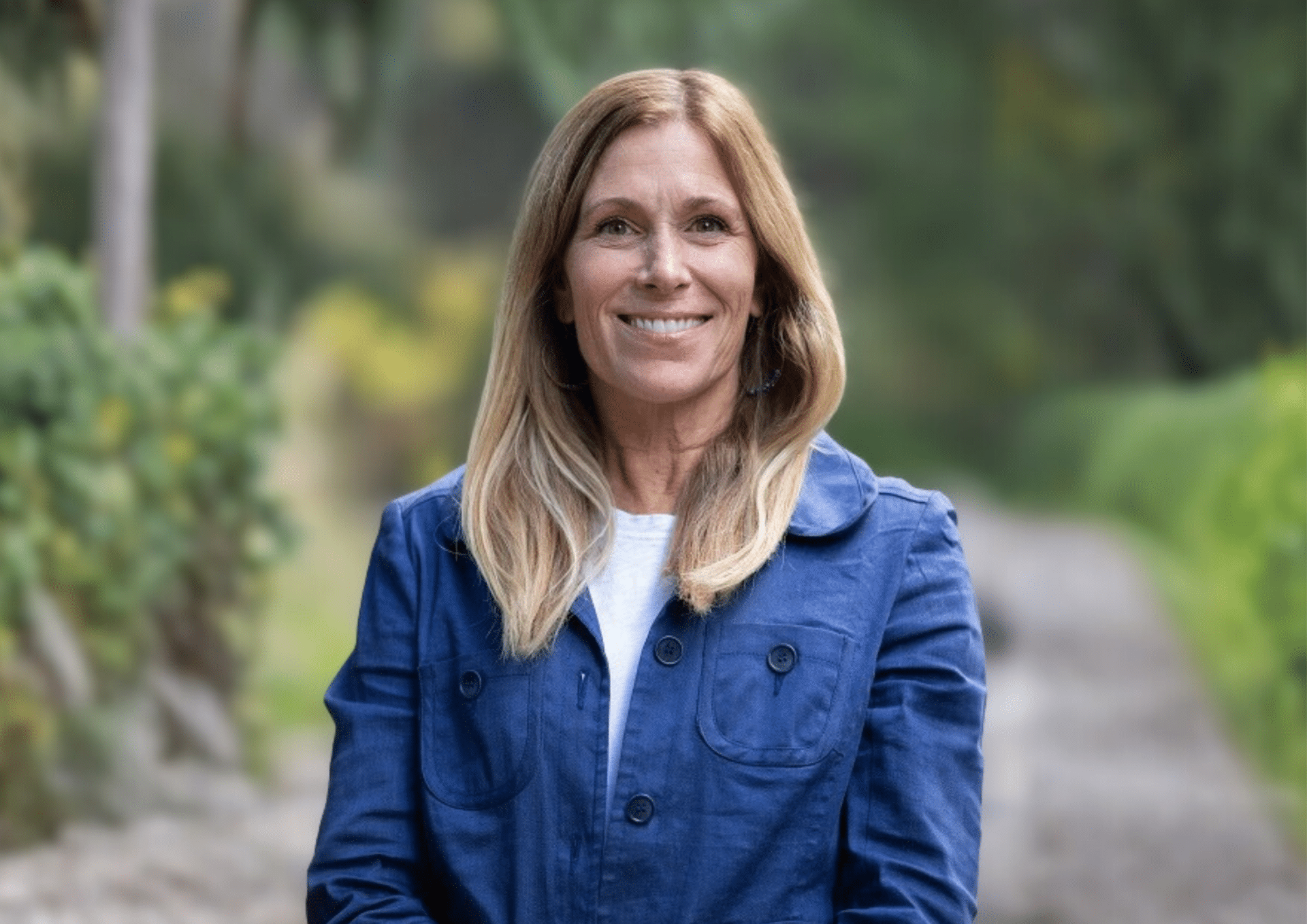
What drives your approach to improving healthcare quality and patient experience?
Quality healthcare means different things to different people, but at its core, it’s about ensuring every patient receives care that meets their unique needs and sets them up for their best health outcome. That’s what drives everything we do. The Institute of Medicine defines quality healthcare as care that is safe, timely, effective, efficient, equitable, and patient-centered. This, along with a spirit of continuous improvement, drives our approach to elevating health care for our patients and community. Since health care is so complex and every patient has their own unique needs, we must be relentless in our pursuit of excellence and continually assess how and where we can optimize our services across the Vail Health system.
We use a variety of quality outcome and process metrics along with patient feedback to continually evaluate the care we provide. Areas of excellence are celebrated, and these successes are shared across the system so that other departments and specialties can learn from them. Focus is directed toward areas where performance falls short by implementing evidence-based quality improvement tactics that drive sustainable change. We never rest on our laurels and can always do better. High performance in safe care may be recognized, but opportunities for improving efficiency and patient-centric care are also identified. This enables us to remain committed to our mission of “elevating care across our mountain communities.”
What unique challenges and opportunities come with delivering health care in the mountain communities we serve?
The size of the Vail Health system and the population we serve bring both strengths and challenges. The challenges stem from having lower volumes, which means we cannot provide everything for all patients. It’s simply not feasible, nor is it responsible, to provide certain services when the patient volume is so low. That is a hard pill to swallow because we truly want to care for our community and allow them to receive all their health care right here at home. This, however, is where we can lean into our strength in relationships with other healthcare systems and providers and come alongside our patients in seeking or receiving those services from trusted sources, while knowing that Vail Health is here, at home, to support them in any way we can.
In addition, I would say that the biggest strength of being a mountain healthcare system is that we are able to focus on every patient. We aren’t a large system that only looks at trends and where patients become merely a number or a data point. Rather, we truly know our patients. Whether they are community members or visitors, we can focus on providing high-quality care tailored to each individual’s unique needs.
The 2025 Community Health Needs Assessment identified four priority areas for the next three years. What were the most significant findings, and how do they connect to Eagle County’s changing demographics?
Conducting our triennial Community Health Needs Assessment (CHNA) is a valuable process that enables us to pause and assess the evolving health needs of our community. It ensures that we, as the community’s health system, evolve alongside our community and align our strategy and priorities with those needs. The most significant findings pertained to how we can enhance accessibility and quality of care for our diverse population. While we have always cared for a diverse population, Eagle County’s demographics are changing, and thus we are seeing an increase in our older adult population as well as those identifying as LGBTQ+. Additionally, we are seeing increases in racial and ethnic diversity, especially amongst our youth.
Based on our data collection and robust feedback received as part of our CHNA process, we aim to focus on interventions that meet the individualized needs of these minority groups. We aim to ensure equitable care and whole-person health by expanding our knowledge and competency, enhancing communication and coordination, and fostering meaningful community outreach and engagement, along with partnerships with key stakeholders focused on these populations. We have created a roadmap for the next 3 years that will promote progress and establish a focused approach. We are committed to maintaining regular connections with our community members through check-ins to ensure the effectiveness of our interventions and facilitate ongoing reassessment and adjustments as needed.
Can you share a snapshot of your background and what drew you to this role?
I have been a registered nurse for 30 years, 26 of which have been at Vail Health. Having worked at the bedside for several of those years and having the privilege of directly caring for so many of our community members struck a passion for leadership and a desire to make a broader impact. This led me into a variety of leadership roles, culminating in the completion of a master’s degree in nursing and the development of expertise in healthcare quality.
According to the American Nurses Association, “Nursing integrates the art and science of caring and focuses on the protection, promotion, and optimization of health and human functioning; prevention of illness and injury; facilitation of healing; and alleviation of suffering through compassionate presence. Nursing is the diagnosis and treatment of human responses and advocacy in the care of individuals, families, groups, communities, and populations in recognition of the connection of all humanity.”
As a result, I am not at all surprised that my nursing journey led me to this role. Having the opportunity to lead Quality and Patient Experience at Vail Health, alongside so many other passionate and talented leaders and staff, allows me to fulfill my responsibility as a professional nurse and live my desire to improve the quality of care for all Vail Health patients.