How Spiritual Care Supports Healing in Health Care
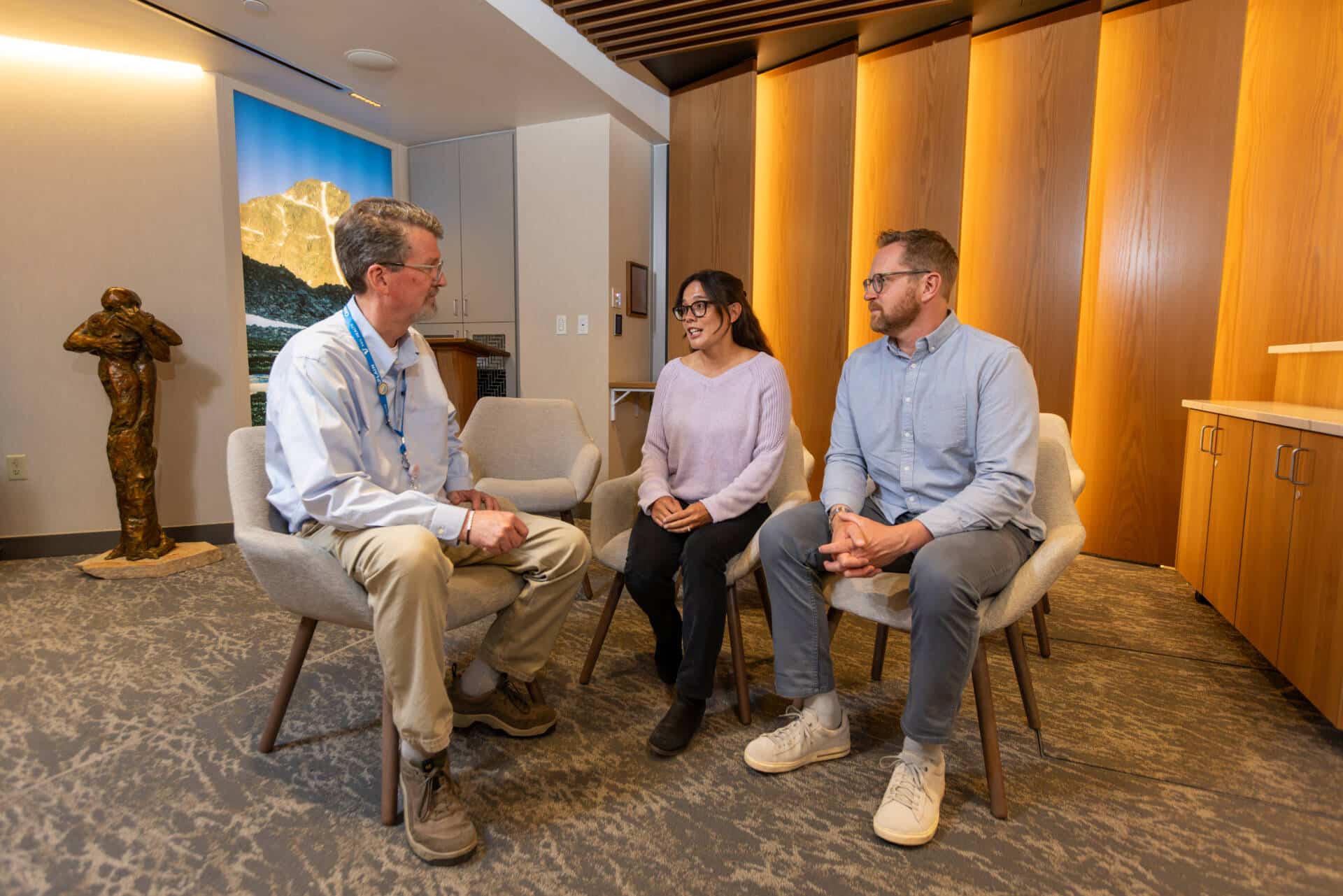
When most people think of health care, they think of diagnoses, medications, and procedures. Yet anyone who has faced illness, whether personally or alongside a loved one, knows healing involves more than the physical body. People bring their fears, beliefs, questions, and hopes into every medical encounter. That’s where spiritual care can quietly but powerfully make a difference.
What Is Spiritual Care?
Spiritual care isn’t the same as religion, though it can include it. It supports meaning, purpose, and connection through faith, personal values, mindfulness, or simply feeling seen. A 2024 Health Affairs study calls spirituality a social determinant of health, making it as important as essentials such as food and housing. That shift reflects a growing understanding: holistic healing means addressing not just the body, but the mind and spirit as well.
In October 2022, the Centers for Medicare and Medicaid Services began allowing hospitals to code for chaplaincy service encounters, a signal that the health care system increasingly treats spiritual care as a legitimate, trackable clinical service.
Spiritual care in hospitals typically flows through trained chaplains, though nurses, physicians, and social workers may also contribute. At Vail Health, chaplains are interfaith providers available to patients, families, and staff of all faith traditions—as well as those with no religious affiliation—across all Vail Health locations, including Shaw Cancer Center, Precourt Healing Center, and Vail Health Behavioral Health.
The Role of Chaplains and Spiritual Care Providers
Chaplains, nurses, clinicians, and specialized staff can provide spiritual care. You’ll often find them in hospitals, palliative care programs, and long-term care settings. Their role goes far beyond prayer or religious rituals. They listen to what matters most to patients and help people wrestle with questions such as:
- “Why is this happening to me?”
- “What gives my life meaning now?”
- “How do I make this decision?”
They also support families navigating grief, uncertainty, or end-of-life decisions. In many cases, they act as a bridge between patients and medical teams, helping ensure care aligns with a person’s values and beliefs.
How Spiritual Care Improves Patient Experience
Taking care of yourself or a loved one can be overwhelming. Spiritual care offers a personal touch, helping patients feel acknowledged, heard, and supported. Research indicates that patients who receive spiritual care often report higher satisfaction with their hospital experience. When individuals feel understood beyond their diagnosis, it fosters trust. Spiritual care also helps patients:
- Build resilience during treatment
- Find meaning in difficult circumstances
- Strengthen coping skills
- Reduce feelings of isolation
Supporting Families and Caregivers
Illness rarely affects just one person. Families often carry emotional weight, make complex decisions, and face uncertainty alongside their loved ones. Spiritual care providers walk alongside them, offering:
- Emotional support during crises
- Guidance during end-of-life decisions
- Space to process grief and fear
Research suggests spiritual care can also reduce stress and depression among family members involved in care decisions. When words fall short, having someone present—trained to endure discomfort—can make all the difference.
Spiritual Care at the End of Life
End-of-life care highlights the importance of spiritual support. During this time, patients often reflect on their lives, relationships, and legacy. Spiritual care helps individuals:
- Find peace and acceptance
- Reconcile unresolved emotions
- Align care decisions with personal values
Hospitals that integrate chaplaincy services often see meaningful differences, including greater use of hospice care and improved end-of-life experiences. That kind of support ensures patients don’t face their final chapter alone or unheard.
What This Means for Patients and Families
If you or a loved one is facing a medical challenge, you have the right to ask for spiritual support. Many hospitals, such as Vail Health, offer chaplaincy services at no cost. You might consider reaching out if you:
- Feel overwhelmed or anxious about a diagnosis
- Struggle with difficult medical decisions
- Need someone to talk to who isn’t part of your immediate circle
- Want support aligned with your beliefs or values
Spiritual care doesn’t replace medical treatment—it complements it in meaningful ways.
Reach Out to Get the Help You Need
At its core, health care aims to heal. True healing, however, goes beyond the physical. It embraces emotional resilience, human connection, and a sense of meaning that helps people navigate life’s most uncertain moments.
Spiritual care reminds us that patients are not just cases or charts. They are people with stories, fears, hopes, and beliefs.
If you or a loved one is a Vail Health patient, family member, or employee who could benefit from this kind of support, our chaplaincy team is here to help. The Frechette Chapel on the second floor of Vail Health Hospital is open 24 hours a day, and chaplains are available by calling (970) 477-5258 or by email at chaplains@vailhealth.org. In the case of an emergency, our chaplains can be reached through the hospital switchboard, seven days a week, from 7 a.m. to 10 p.m. No matter your beliefs or background, compassionate spiritual care is here when you need it.
This article was reviewed by Ethan Moore, Vail Health’s Supervising Chaplain.