A Conversation With Dr. Charles Raison
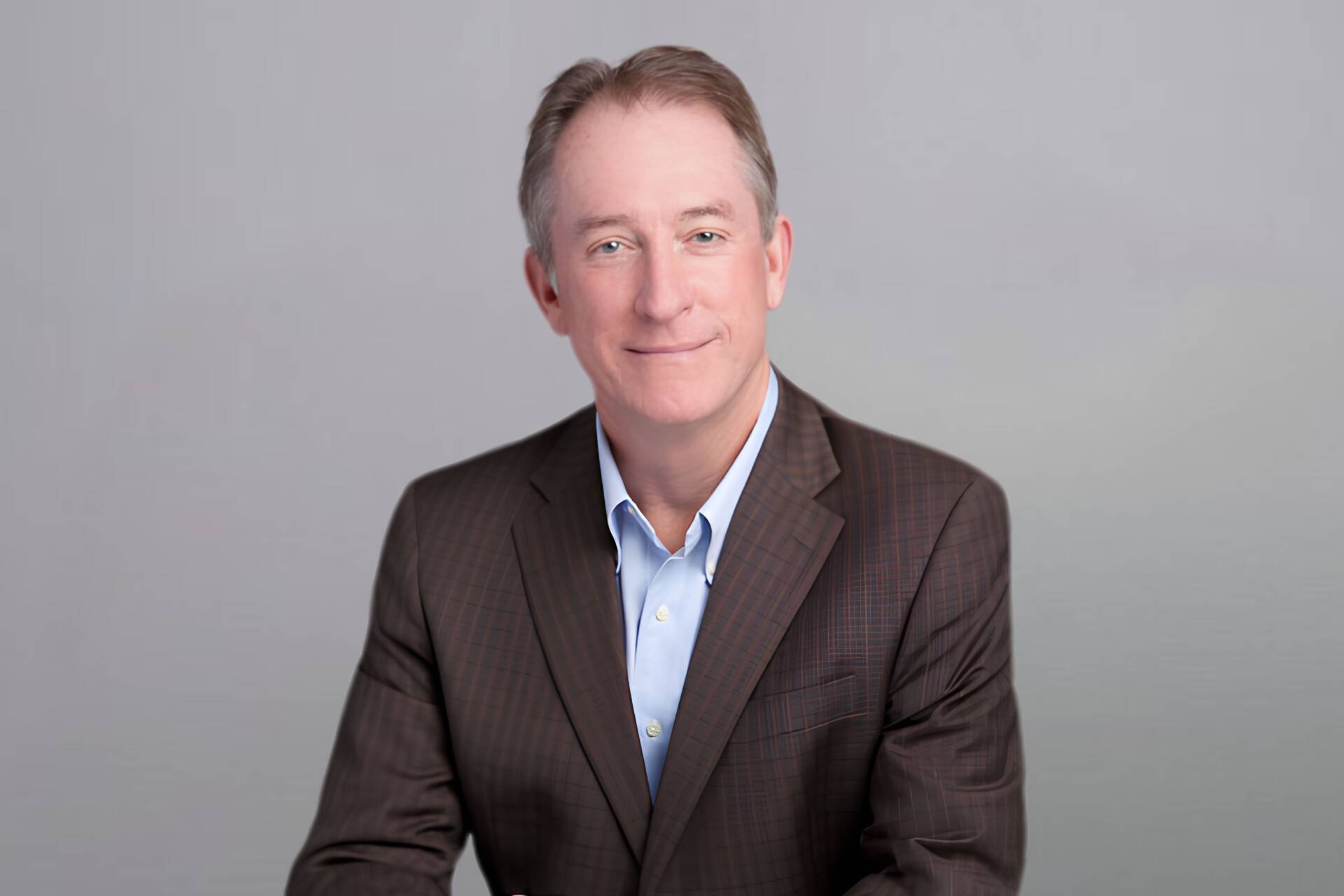
What is the Vail Health Behavioral Health Innovation Center?
The Behavioral Health Innovation Center (BHIC) is a world-class destination for behavioral health research, treatment, and education—the result of a pioneering partnership between Vail Health and the University of Wisconsin-Madison, with collaboration from top institutions like Emory University, University of California, San Francisco, Baylor College of Medicine, and the Steadman Philippon Research Institute. My role as the director bridges Vail Health and UW-Madison, where I am a professor, and I oversee clinical trials at both institutions. This dual role is the heart of what makes this partnership work. We have UW-Madison researchers collaborating on studies and staff training here at BHIC. This cross-pollination between the institutions enables us to bring cutting-edge research and innovation directly to this community.
The Advanced Research Projects Agency for Health (ARPA-H) recently announced the EVIDENT initiative, which will invest up to $139 million to accelerate behavioral health research, including psychedelic therapies. How does it represent a significant shift in federal government research funding?
The EVIDENT initiative is part of an evolution in how the federal government supports research. Traditionally, researchers like me would write a grant, have it reviewed by experts, and, if deemed good, receive funding and pretty much own that work. The government was really just a funding source. That model has been changing over the last decade as the federal government has taken a more direct role in determining what it wants to see done in research. A few years ago, the government created ARPA-H, patterned after DARPA, the Defense Department’s research agency. With ARPA-H, we’re no longer grant recipients; we’re called “performers,” meaning we’re working directly for the government.
What makes EVIDENT particularly unusual is that the government didn’t want to fund new studies from scratch. Instead, they wanted to buy data from studies that were already running, especially studies of psychedelics. We keep running our studies and retain ownership of our data, but it also goes to the federal government so they can build this massive repository. The idea is that if they collect data from thousands of people exposed to psychedelics, they can better understand how these treatments work and how to make them work better.
UW-Madison received ARPA-H funding for three psilocybin studies you’re leading. How will it benefit the research at BHIC?
We’ve designed the studies at UW-Madison and Vail Health to speak to each other. The UW-Madison studies are basic science—understanding how these agents work at a fundamental level. Then we take those learnings and apply them at Vail Health with people actually struggling with major depression. Here’s a concrete example: At UW-Madison, we’re testing vagus nerve stimulation using a device that sends electrical impulses to the vagus nerve to see if we can improve psilocybin’s effects in healthy volunteers. Then at BHIC, we’re taking that same approach and using it in people with depression. The goal is a virtuous circle where the two institutions inform each other. And it goes both ways—the work at BHIC with clinical depression helps us better understand what we’re seeing at UW-Madison.
As the program at UW-Madison gathers strength, Vail Health becomes a partner in that work, establishing connections and opportunities. For instance, I collaborate with researchers studying psychedelics in older adults. Because of that connection, we brought in expertise, raised money, and now we’re launching a study at BHIC to determine whether psilocybin has life-extending properties. All ships rise together.
What does it mean for our community to have this level of behavioral health research happening both at UW-Madison and locally at Vail Health?
Having this level of research here means the Eagle River Valley is becoming a real center for cutting-edge behavioral health research. The studies we’re running at BHIC are already providing something valuable—people struggling with depression can access psychedelic treatment in a study context that they wouldn’t be able to afford or access legally otherwise. We’re providing novel therapies right now, not just studying them for some distant future.
The partnership positions us to move very quickly if and when psychedelics receive FDA approval. We’re building the expertise, infrastructure, and relationships now so that when these treatments become available, Vail Health Behavioral Health can offer them immediately. Vail Health’s culture also makes this work move faster—we have less bureaucracy and a more “let’s go” attitude, which makes us an attractive partner for researchers who want to do innovative work.
Ultimately, our community isn’t just receiving care—we’re helping to define what the future of mental health treatment looks like. That’s pretty special.
The Vail Health Behavioral Health Innovation Center and its ongoing research studies are made possible through the generosity of our benefactors.