A Conversation With Alison Nieves
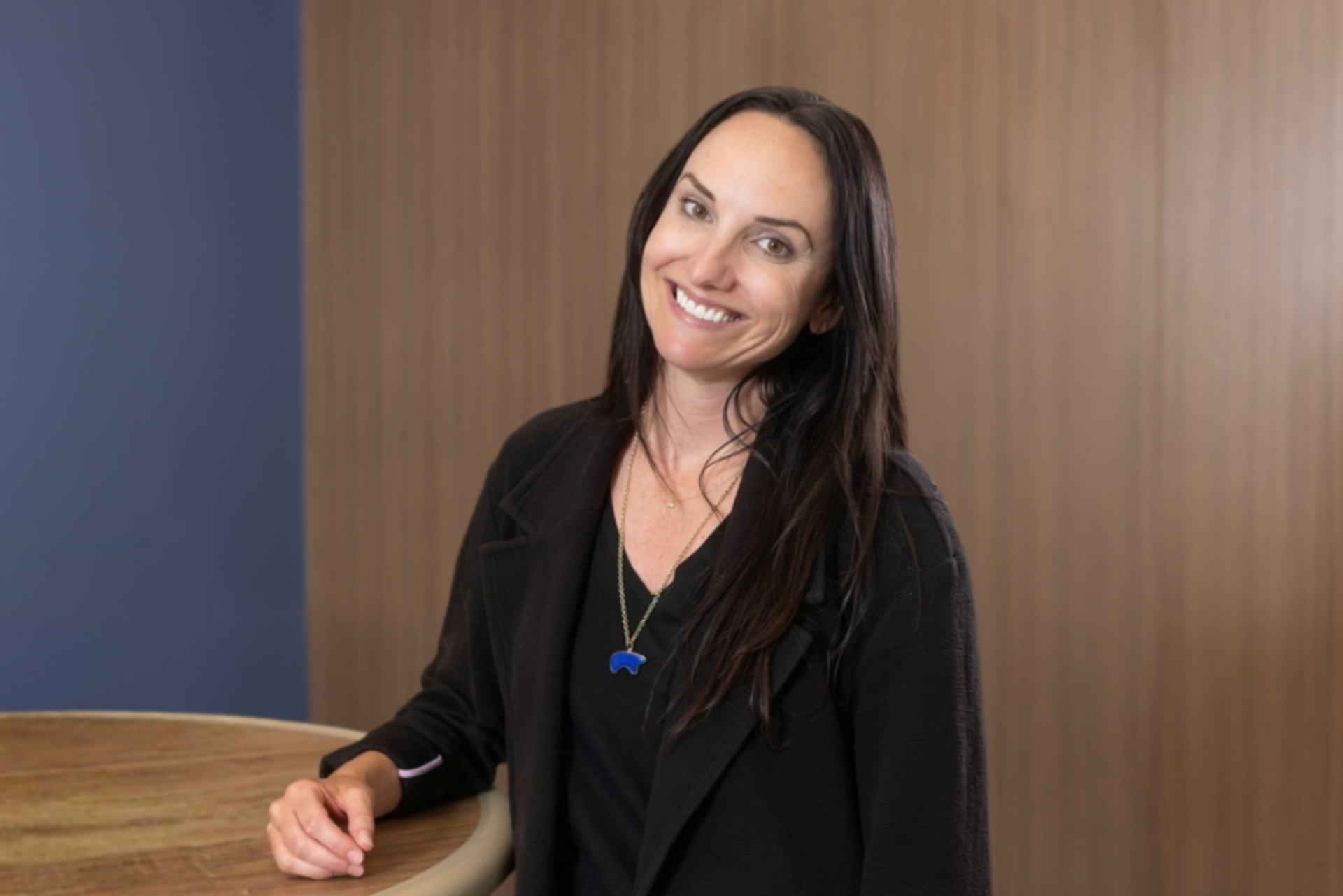
How would you describe your role here, and how long have you been at Vail Health?
I have been a social worker at Vail Health since 2016. My role has been focused on integrating social work with all patient-facing departments at Vail Health Hospital, ensuring that patients are being screened for depression, anxiety, and substance abuse and have the opportunity to discharge with appropriate resources in place to support them in their recovery. I’m also committed to investing in our community through training and developing professional social workers to meet the growing demand for behavioral health care in Eagle County.
Can you describe your team and what a day in the Borgen Family Emergency Department and Trauma Center looks like?
The social work team at Vail Health Hospital is small, but mighty. For a 56-bed hospital, we have one social worker per shift. They serve patients and support staff members throughout the hospital. The patient needs vary across the entire spectrum of the human experience, from birth to death and everything in between. In the emergency department, we see individuals from our community suffering from alcohol or substance abuse on a near-daily basis. This is often the entry point for individuals struggling with addiction to gain sobriety and engage in treatment to begin their recovery journey. While we do not provide detox services, we assess each patient based on their motivation, needs, and options for their first steps toward sobriety. We partner with community programs, including RECONNECTED, Alcoholics Anonymous (AA), A Way Out, Community Paramedics, Health Solutions West, and our own services at Vail Health Behavioral Health, to support patients in their moment of crisis by connecting them directly to treatment options. Often, we can facilitate in-person peer connections while the individual is still in the emergency department, ensuring they have someone on their team to walk with them through the early days of recovery.
What does the continuum of care look like for patients who come in because of an addiction-related crisis, and how does case management bridge different levels of care?
The continuum of care for the treatment of substance abuse is unique for each individual. Some may require medically supervised detox prior to engaging in inpatient rehabilitation or residential treatment, the highest level of care for recovery. Others prefer to stay rooted in their community and to participate in outpatient behavioral health treatment. This can include psychiatric care, individual therapy, intensive outpatient therapy, AA meetings, and peer recovery programming.
A major factor in recovery is connection to those who love and support you. Often, one of the most painful parts of recovery is navigating the impact that addiction has on these relationships, and we encourage family participation in treatment at any point. It is imperative that all parties work on their own wellness to continue showing up meaningfully for those fighting to stay sober.
Can you share your background and what drew you to this role at Vail Health?
I completed my Master’s in Social Work at New York University in 2009, and spent three years working in an outpatient dual-diagnosis treatment program. Dual diagnosis means that there is a mental health and substance abuse issue occurring at the same time. I moved back to Colorado in 2014 and worked as a mobile crisis responder out of Denver Health. When I started at Vail Health in 2016, the work was very similar to my role in mobile crisis. Since then, I have been privileged to participate in planning and executing the establishment of Vail Health’s Eagle Valley Behavioral Health and to watch the Vail Health system expand to where we are today. What keeps me at Vail Health is the organization’s Values and Mission. We work every day to provide patient-centered, trauma-informed care for our community. We not only support individuals in mental health or substance abuse crises, but all human beings navigating the many difficulties that life throws at us.
I have been grateful for the support from Vail Health’s Mountain Strong Employee Assistance Program, which has afforded me access to therapy as I navigate my personal trauma, post-partum depression, and all of the ups and downs that go along with raising a family and working a full-time job through a global pandemic, and all other national and worldwide tragedies and disasters. I feel rooted with my Vail Health family and look forward to continuing to show up and try my best for years to come.
This article was reviewed by Alison Nieves, Director of Case Management at Vail Health.