A Conversation With Paige Bordelon
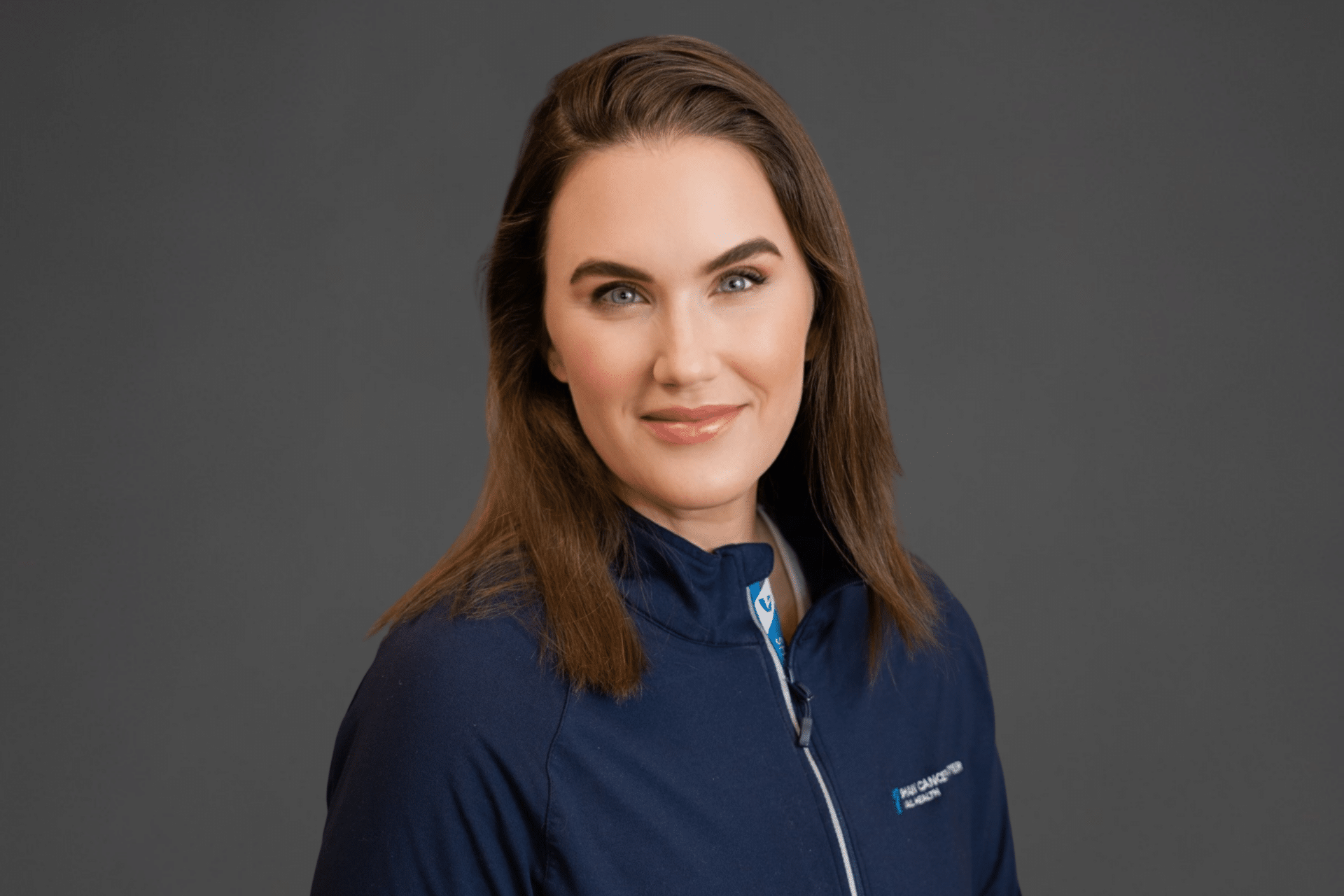
What drives your passion for clinical cancer research, and why is this work meaningful to you?
Clinical research matters to me because it allows a community cancer center to offer care that is current, evidence-driven, and accessible close to home. When trials are available locally, patients can explore emerging therapies within the care teams and systems they already know and trust, rather than leaving their community to access innovation.
This work is meaningful because of its direct impact on patient choice and equity. When clinical research is done well, it expands options for patients who might otherwise never consider a trial. Supporting that access in a community setting is what gives this work lasting purpose for me.
What motivates me is building an operational foundation that allows clinical research to function safely and reliably. Running trials well depends on strong regulatory processes, clear coordination across clinical teams, and consistent attention to patient safety and data integrity. I am motivated by creating systems where research fits naturally into care delivery rather than competing with it. When those structures are in place, research becomes sustainable, trusted, and valuable to both patients and clinicians.
What makes Shaw Cancer Center’s approach to clinical research unique?
Shaw’s clinical research program is intentionally designed for the realities of community oncology while operating at a level of rigor comparable to major academic medical centers. Trials are selected thoughtfully, not based on volume, but on clinical relevance, feasibility, and the ability to execute them well with the staff and infrastructure in place.
Research at Shaw is embedded directly into clinical operations. Physicians, nurses, pharmacists, and research staff work from shared workflows rather than parallel systems, reducing friction for patients and clinicians. This integration allows the program to maintain academic-level regulatory standards, strong data quality, and patient safety without disrupting care delivery.
Clinical research at Shaw also serves as a conduit to national research networks and leading cancer centers. Through trial participation, physicians and staff remain closely connected to evolving standards of care, emerging therapies, and national conversations on oncology. At the same time, Shaw contributes high-quality data that reflects the experiences of patients treated in a rural, community-based setting. Including these populations in the evidence base is essential to ensure that national guidelines, treatment standards, and policy decisions are informed by care delivered outside large academic centers.
What ultimately makes Shaw unique is the consistency and reliability of the program. Studies are opened carefully, managed responsibly, and supported by teams who understand both research requirements and community-based care. That balance is deliberate, and it allows clinical research at Shaw to be both academically rigorous and meaningful to the community it serves.
Can you share a snapshot of your background and what brought you to Shaw?
I earned my master’s degree in epidemiology and biostatistics from Tulane University’s School of Public Health and began my career in a traditional public health setting as the State HIV/AIDS Epidemiologist for Louisiana. That role shaped how I think about population-level impact, access, and data-driven decision-making.
After my husband’s job relocated us to Houston, I transitioned into clinical research at Baylor College of Medicine, where I gained hands-on experience in oncology research operations and regulatory oversight. That move helped bridge my public health training with the practical realities of running clinical trials.
When we later moved to the Vail Valley, Shaw felt like a natural fit. The opportunity to build and support clinical research at a community cancer center is closely aligned with both my professional background and personal values. My work continues to be informed by a public health lens, with a focus on access, equity, and meeting patients where they are. I am also currently pursuing a doctorate at George Washington University, which further strengthens the evidence-based, community-centered approach I bring to Shaw’s research program.
What excites you most about the future of cancer treatment and research?
What excites me most is the growing ability to understand cancer care at the population level, not just at the level of individual treatments. Advances in data collection, longitudinal follow-up, and real-world evidence are allowing us to move beyond whether a therapy works in a controlled setting and toward understanding how care performs across diverse patient populations over time.
From an epidemiologic perspective, the future of cancer research lies in identifying patterns, trends, and outcome differences that inform better decision-making. This includes understanding variation in treatment response, toxicity, survivorship, and long-term outcomes across different patient groups. As care becomes more complex, the ability to generate high-quality, representative data is essential to refining standards of care and reducing gaps in outcomes.
What’s especially promising is the integration of clinical research into routine care settings. This creates opportunities to produce evidence that reflects real-world practice, strengthens guideline development, and ensures that advances in cancer treatment translate into meaningful improvements in population health, not just isolated successes.