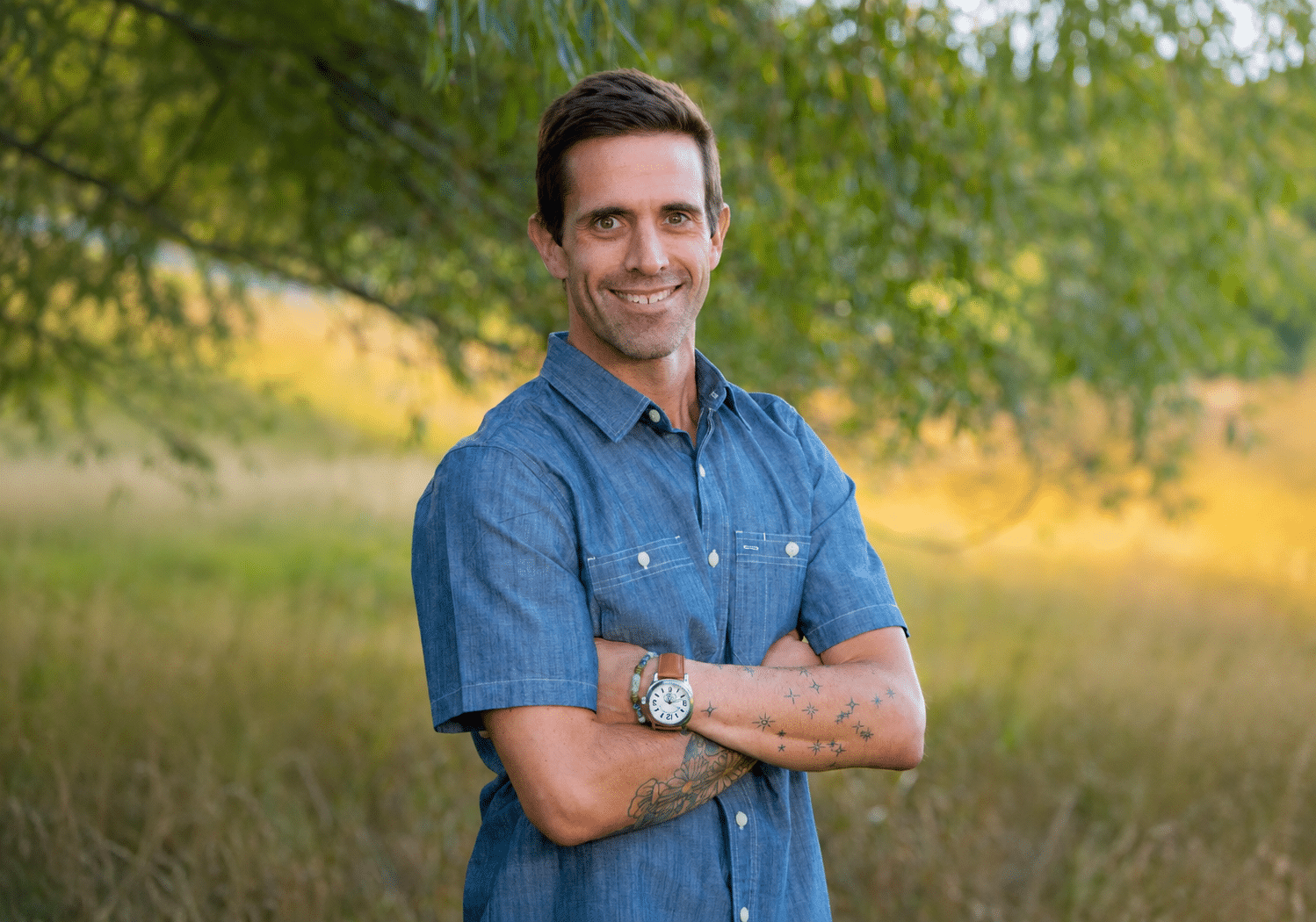
A Conversation With Mike Santambrogio
This article first appeared in the 2025 Annual Update >
Why does the work of the Vail Health Behavioral Health Innovation Center (BHIC) matter?
The work at the Behavioral Health Innovation Center is powerful because we’re exploring alternative treatment possibilities for people struggling with severe mental health conditions. Traditional care doesn’t always work for everyone, and for some, accessing it may be challenging. By exploring evidence-based alternatives, we’re creating new pathways to healing and support. BHIC has the potential to become a standout center in behavioral health research, and I’m proud to be part of a team committed to transforming mental health treatment.
What impact could the OPTIMIZE Study have on the future of depression treatment?
The OPTIMIZE Study is exploring whether psilocybin-assisted therapy, combined with noninvasive vagus nerve stimulation, can improve and extend relief from depression. Discovering how to increase or prolong psilocybin’s effectiveness in treating depression could create more impactful treatment options for people experiencing this condition. If we can help identify alternative healing options that lessen symptoms, strengthen the impact of talk therapy, or help people see new perspectives that significantly change their mental health, that would be transformative.
What feedback have you received from study participants?
Even though people experience a major psilocybin dose differently, we’ve heard positive accounts from study participants so far. Some participants have experienced challenges with various aspects of the study. Still, as they continue integration after their dosing sessions, the overall experience has been positive and has led to positive shifts for many participants. These early results are promising. We understand not all participants may have this same outcome—that’s why we’re studying this medicine, to learn which individuals might be best suited for this type of experience.
What has surprised you most about facilitating these sessions?
One of the most surprising things we’ve encountered is the courage of the participants. Volunteering for this study means participants experience their depression head-on, and for many, that means tapering off their antidepressant medications. That’s no small ask. Additionally, it’s been incredibly powerful to see the relationships that have developed between participants and the study facilitation team. Given the nature of this study, relationship dynamics are of utmost importance and can become a meaningful catalyst in the process. Witnessing and being part of this transformation has been one of the greatest rewards of this work.
Learn more about the OPTIMIZE Study, which is supported by philanthropy, here >