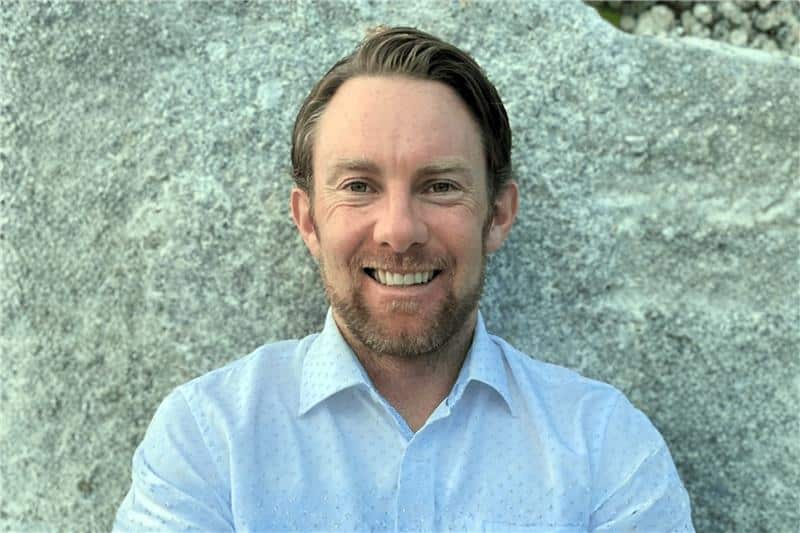
A Conversation With Matthew Laycock
What drives your passion for behavioral health, and why is this work meaningful to you?
I believe that mental health exists on a continuum, and no one is immune to the challenges it can present throughout life. As a result of this, I strongly believe that everyone should engage in some form of mental health care, and that barriers to accessing support should be minimized whenever possible.
In high-acuity settings, we often meet individuals at some of their most vulnerable moments. Our role is to provide immediate stabilization, compassionate intervention, and structured support that connects them to ongoing care. This work is not only about crisis response, but about creating pathways toward long-term stability and well-being.
My commitment to this field is deeply personal. During my childhood, I witnessed family members and close friends struggle openly with severe and persistent mental health conditions without receiving the support they needed. Seeing the long-term consequences of unmet mental health needs shaped my belief that earlier intervention, accessible care, and coordinated support can alter life trajectories. Those experiences continue to motivate my dedication to high-acuity and crisis-based care.
Can you share a snapshot of your training and career path? What led you to specialize in high acuity behavioral health?
My career in psychology began in high school when, as part of a psychology course, I volunteered in an after-school program supporting middle school students experiencing behavioral challenges and needing additional structure and guidance. That early experience sparked my interest in working with vulnerable populations and continued throughout college, where I worked with Project Eye to Eye, supporting students with learning differences by helping them access additional resources and advocacy within their schools.
After earning my undergraduate degree, I began working at Capital Region Children’s Center in Washington, DC, providing home-based interventions for children and families. This role strengthened my clinical foundation and deepened my understanding of family systems and community-based care. I then pursued my Master’s degree at Hunter College School of Social Work in New York City.
After relocating to Colorado, I expanded my clinical experience across multiple settings, including jails, inpatient psychiatric hospitals, and community health centers. I ultimately found my passion working as a Crisis Co-Responder alongside several police departments in the Denver metro area, where I provided on-scene behavioral health intervention and crisis stabilization.
While working in Denver, I realized I wanted to build both my career and my life in a smaller community. I moved to Carbondale and joined Aspen Hope Center, where I valued the close-knit community and the meaningful impact of the work. However, I also recognized that my long-term professional growth and desire to help develop programming would require broader opportunities. Knowing Vail Health’s reputation and vision, particularly the opportunity to innovate and expand services, I saw a path to continue growing professionally and personally while contributing to the development of high-quality behavioral health programming.
What does high acuity behavioral health care look like in practice, and how does Vail Health support patients in crisis?
High acuity care encompasses a broad range of immediate, in-person, and virtual services designed to support individuals experiencing emotional and behavioral health needs. This includes both scheduled and unscheduled access to licensed professionals to ensure timely intervention and stabilization.
At Vail Health Behavioral Health (VHBH), we offer multiple programs to ensure that no individual falls through the cracks. We are continuously expanding our services to meet people where they are and provide comprehensive, person-centered care. Our outpatient services include individual therapy, group therapy, psychiatry, and medication management, delivered both in-office and virtually. In addition, we provide in-home services ranging from Assertive Community Treatment (ACT) to crisis stabilization, ensuring continuity of care across levels of need.
Why is access to free, around-the-clock crisis care particularly important in a mountain community like Eagle County?
Living in small, transient, and diverse mountain communities such as Eagle County presents unique risk factors that affect behavioral health and overall well-being. The transient nature of resort communities can contribute to social isolation and limited long-term support networks. Additionally, population fluctuations and economic pressures strain local resources and reduce access to services. These challenges are further compounded by higher rates of substance use and high-risk lifestyles often associated with resort and seasonal economies.
How do you see behavioral health and crisis services continuing to evolve to meet community needs?
Behavioral Health and Crisis services must continuously evolve to meet the diverse and changing needs of the communities in which they are built. In Eagle County, our goal is to expand programming so community members can access comprehensive behavioral health services close to home, rather than having to travel outside the area to seek treatment.
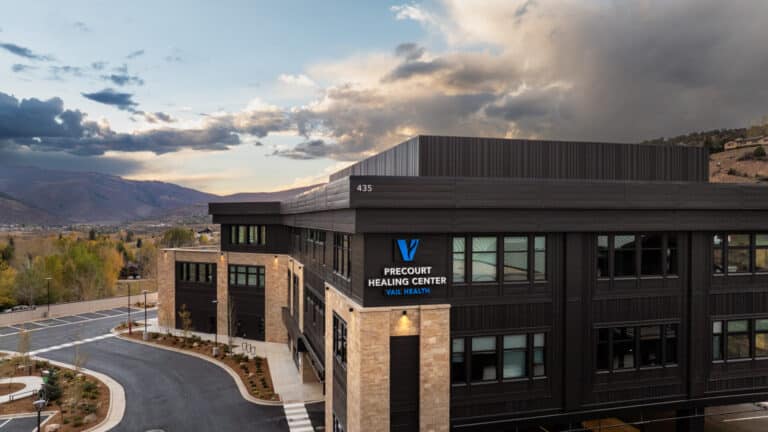
At VHBH, we are actively growing our continuum of care to provide increasingly robust levels of support—from inpatient services at the Precourt Healing Center to community-based stabilization programs. Our focus remains on strengthening local access, improving continuity of care, and meeting individuals where they are, regardless of their level of need.