7 Steps to Prevent Frostbite and Hypothermia in Cold Weather
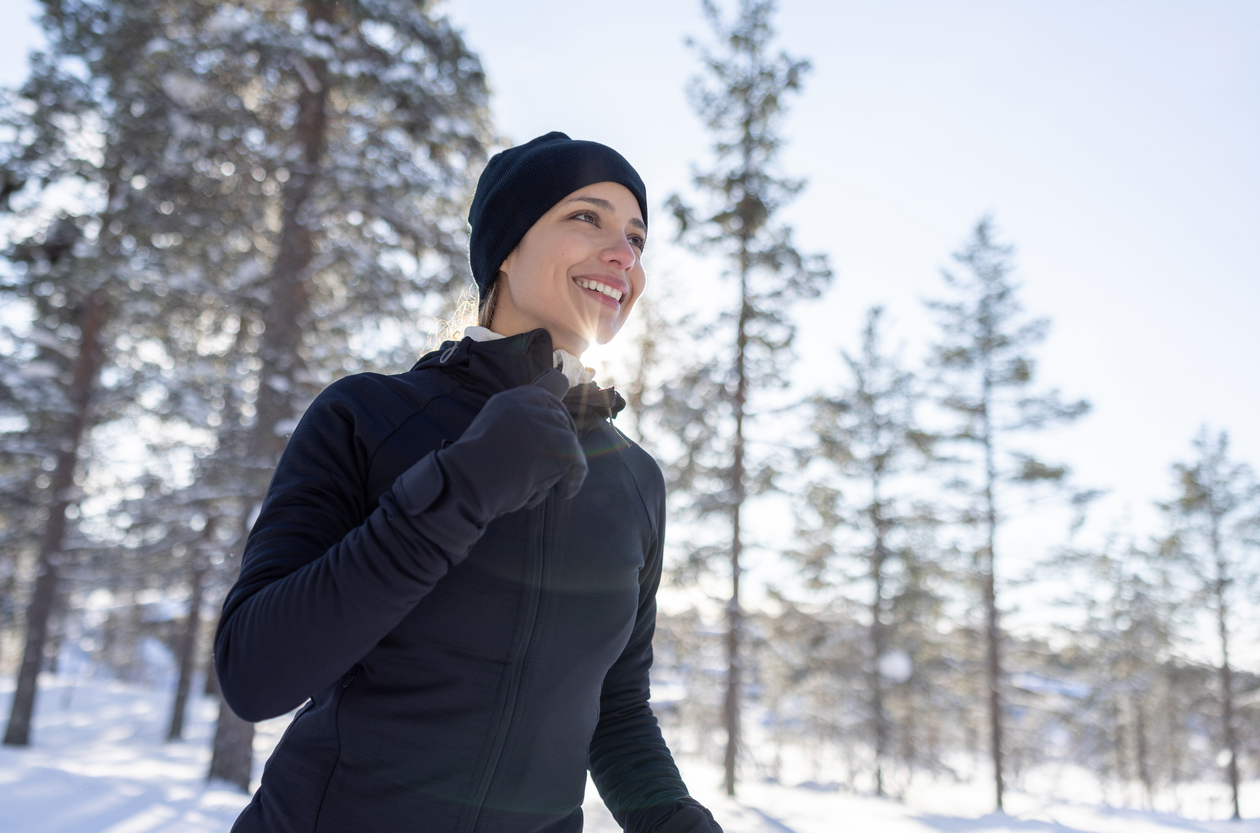
Every year, thousands of people experience preventable cold-weather injuries, from frostbite to hypothermia. Staying safe requires more than just wearing a thick coat—you need to understand proper layering, maintain hydration, and recognize early warning signs. Here are seven critical steps to protect yourself this winter.
What Is Frostbite?
Frostbite occurs when skin and underlying tissues freeze. When you’re cold, your body instinctively narrows blood vessels (a process called vasoconstriction) to shunt warm blood toward your core organs. Reduced blood flow makes your hands and feet more susceptible to freezing.
The two main culprits of frostbite are prolonged exposure to freezing temperatures and wet or windy conditions, which together cause the skin and underlying tissues to freeze. According to the National Weather Service, severe frostbite can occur in a matter of minutes, especially when the wind chill is intense.
Recognizing frostnip: Before frostbite sets in, you may experience frostnip—a serious warning sign that freezing is imminent. It typically affects exposed skin on the nose, ears, cheeks, fingers, and toes, causing it to feel cold, numb, and tingly, but not frozen. If you notice these symptoms, get inside immediately.
What Is Hypothermia?
Hypothermia is a critical medical emergency that occurs when the body loses heat faster than it can generate, causing the core body temperature to drop below 95°F (35°C) — well below the normal 98.6°F (37°C). Common causes include prolonged exposure to cold weather or immersion in cold water. If left untreated, hypothermia can rapidly lead to the failure of the heart and respiratory system and ultimately death. Treatment focuses on methods to safely and gradually warm the body back to its normal temperature.
7 Critical Steps for Cold Weather Safety
When the temperatures plummet, enjoying the outdoors requires thoughtful preparation. Cold-weather injuries — from the numbness of frostnip to the life-threatening severity of hypothermia — are almost entirely preventable with the right knowledge and gear. Follow these steps to ensure your safety, comfort, and warmth throughout the entire season.
1. Use the Three-Layer System
- Base layer (wicking): Wear synthetic or wool materials next to your skin to wick moisture away from the body. Avoid cotton, which retains moisture.
- Middle layer (insulating): Use fleece, down, or heavy wool to trap heat.
- Outer layer (protection): Wear waterproof, windproof shells to block wind and precipitation.
2. Prioritize Extremities and Head Coverage
- Wear a hat or helmet; you lose significant heat through an uncovered head.
- Use mittens over gloves, as they allow fingers to share warmth.
- Wear wool or synthetic socks and waterproof boots large enough to comfortably wiggle your toes (tight boots restrict blood flow).
3. Stay Dry at All Costs
- Moisture (from sweat or precipitation) pulls heat away from the body 25 times faster than dry air.
- If you begin to sweat, open vents or remove a layer. If your inner layers get wet, change them immediately.
4. Stay Fueled and Hydrated
- Your body requires calories (fuel) to generate heat. Eat high-energy snacks (nuts, protein bars) frequently when spending time outdoors.
- Drink plenty of fluids (water or warm, non-caffeinated drinks). Dehydration impairs circulation and your body’s ability to regulate temperature.
5. Avoid Alcohol, Caffeine, and Nicotine
- Alcohol causes blood vessels to dilate (vasodilation), making you feel temporarily warmer while actually accelerating heat loss from your core.
- Nicotine and caffeine constrict blood vessels, particularly in your extremities, which increases the risk of frostbite.
6. Monitor for Early Warning Signs
- For hypothermia, watch for symptoms such as uncontrollable shivering, slurred speech, confusion, and loss of coordination.
- For frostbite, check skin frequently for numbness, a waxy appearance, or discoloration (white, gray, or yellow patches). Get inside immediately if you spot these signs.
7. Limit Time in Extreme Cold/Wind
- Check the wind chill forecast before going out. Frostbite can occur in minutes when temperatures and wind combine to create dangerous conditions.
- Take frequent indoor breaks to fully warm up your core and extremities.
Recognizing When to Get Medical Help
If you suspect frostbite, frostnip, or hypothermia in yourself or someone else, get indoors immediately and move to a warm location. Avoid rubbing the affected area, as this can cause further tissue damage. Seek medical attention right away—severe frostbite and hypothermia require professional rewarming under controlled conditions to prevent serious complications.
Vail Health’s Emergency Department and Beaver Creek Medical Center are equipped to provide expert treatment for cold-weather injuries.
Stay smart and stay safe while enjoying the beautiful winter weather!
Reviewed by Suzanne Torris, MS, RN, CNML, Director of the 24/7 Program.