Healthy Aging: How Movement and Lifestyle Help Older Adults Thrive
Most of us hope to live a long life, but how we live those years matters just as much as how many we have. We want the strength to shop for groceries, the balance to walk safely, the energy to spend time with family, and the independence to participate in the activities we love. September is Healthy Aging Month, a fitting time to focus on ways to stay healthy and active as we age—and to explore how Vail Health’s Healthspan program is helping people in our community do exactly that.
Movement Can Improve Everyday Life
Physical activity offers benefits that people can notice in their daily routines. According to the U.S. Department of Health and Human Services’ Move Your Way campaign, regular movement can help older adults complete everyday tasks, manage pain and other health concerns, reduce their risk of falls, and maintain independence.
Activity can also improve mood, focus, sleep, and stress levels. Those benefits extend far beyond physical fitness. They can help people feel confident about leaving home, connecting with friends, playing with grandchildren, and taking part in community life.
Healthy aging doesn’t require athletic ability. Walking, dancing, gardening, swimming, cycling, and household chores can all contribute to a more active lifestyle. Small choices throughout the week can add up, especially when people find activities that fit their interests and abilities.
Older Adults Benefit From Three Types of Activity
Federal guidance encourages older adults to combine aerobic, muscle-strengthening, and balance activities. Together, these forms of movement support endurance, stability, and independence in daily life.
- Aerobic activity: Experts recommend at least 150 minutes of moderate-intensity aerobic activity each week. Walking, swimming, cycling, dancing, tennis, and pickleball all count, and older adults can divide the time into manageable sessions.
- Muscle-strengthening activity: Experts recommend this at least two days a week. Lifting weights, performing squats, carrying groceries, or using resistance bands can help people maintain the strength needed for daily tasks.
- Balance activities: Tai chi, yoga, or standing on one leg can improve stability and reduce the risk of falls and related injuries.
Some activities deliver multiple benefits at once. Dancing may challenge the heart, muscles, and balance, while yardwork, water aerobics, tai chi, and sports can combine multiple types of movement. A varied mix can exercise the body in different ways, keep routines from feeling repetitive, and make it easier for each person to find enjoyable activities. Federal recommendations also encourage people to start slowly and build over time. Every active minute counts toward a stronger, more independent life.
Starting Small Still Makes a Difference
A weekly activity recommendation can feel intimidating to someone who has not exercised recently or who manages pain, limited mobility, or a chronic condition. Fortunately, people don’t need to reach the full goal immediately.
Federal guidance encourages older adults to start slowly and do what they can. Even a five-minute walk provides genuine health benefits. People can gradually add time or intensity as their comfort, stamina, and confidence grow.
Federal physical activity guidelines for older adults offer accessible ideas, including walking indoors during bad weather, carrying groceries, lifting a water bottle, practicing yoga or tai chi, and holding a chair or wall during balance exercises. Practical options can make movement feel achievable rather than overwhelming.
People recovering from an injury or coping with pain should listen to their bodies and seek guidance from a health care professional when appropriate. A personalized approach can help each person find a safe and sustainable starting point.
Vail Healthspan: A Personalized Approach to Healthy Aging
Health care professionals play an important role in helping patients understand physical activity recommendations and turn them into realistic goals, because every person brings different health needs, abilities, and starting points to the conversation.
At Vail Health, the Healthspan program is built on exactly that principle. Healthspan is about thriving, not just surviving—it’s about extending the years you live in good physical, mental, and metabolic health. Unlike a focus on lifespan alone, Healthspan prioritizes quality of life, helping you remain active, strong, and mentally sharp as you age.
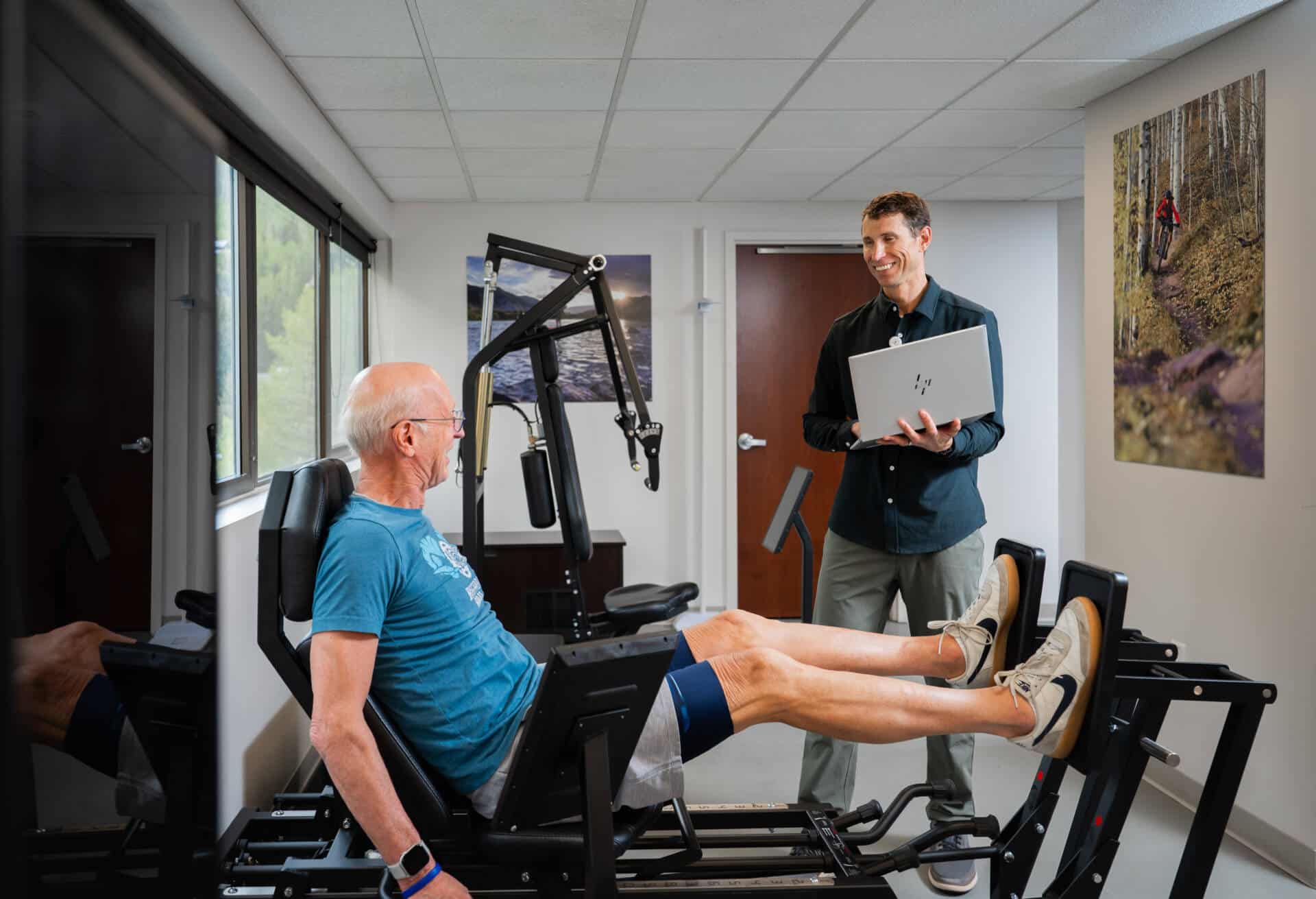
Through the 6-month program, participants receive personal diagnostics, expert coaching, and a proven framework for lifestyle change, grounded in the fundamentals of exercise, nutrition, sleep, community, and purpose. Advanced diagnostics, metabolic and cardiovascular fitness testing, body composition analysis, and behavioral support work together to help you achieve measurable, lasting improvements in your health.
Optimal health doesn’t happen by chance, but by design. Whether you’re looking to stay active, build strength, or simply feel better in your daily life, Vail Healthspan offers a proactive, personalized path forward. Learn more or schedule a consultation by visiting www.vailhealthspan.com.
This article was reviewed by Josiah Middaugh, MS, NSCA-CSCS, Vail Healthspan Program Director.