A Conversation With Kileen Ihlenfeldt
Tell us about your role at Vail Health Behavioral Health. What makes this work meaningful to you?
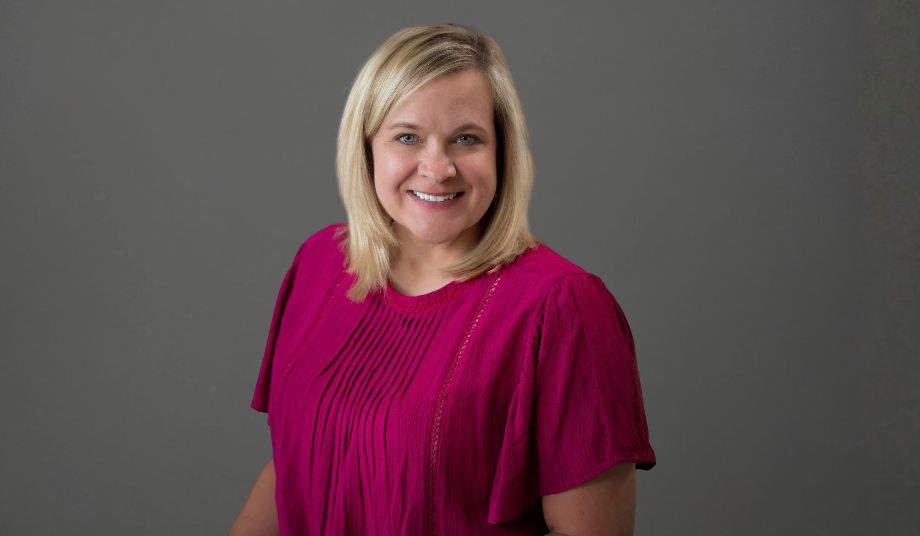
I am the Director of Behavioral Health Nursing. My role is to lead and support a team of nurses, behavioral health technicians, and behavioral health specialists who care for patients during some of the most vulnerable moments of their lives. I oversee nursing practice, support our teams, and help coordinate programming to ensure we provide safe, compassionate, and patient-centered care. This work is meaningful to me because I get to support both sides of the care experience—the patients we serve and the staff who care for them. I believe leadership in behavioral health is about creating a culture where people feel valued and safe. Ultimately, this work is about connection and hope—meeting patients where they are and reminding them that their time with us does not define who they are.
How do you guide your team to deliver the comprehensive, personalized approach that sets the Precourt Healing Center apart?
Patient-centered, trauma-informed care is at the heart of everything we do. Every patient comes to us with a unique story, lived experiences, and strengths. We need to understand the person behind the diagnosis, including needs that may not always be captured in a chart. For me, what sets the Precourt Healing Center apart is the intentionality behind the care. We want every patient to feel respected and understood—not just treated. That’s why our nurses, behavioral health technicians, and behavioral health specialists are empowered to build meaningful relationships with patients.
How does nursing work with other therapies to support patient recovery?
Nursing is an integral part of the Precourt Healing Center’s multidisciplinary team, which includes providers, nurses, behavioral health technicians, behavioral health specialists, case managers, and therapists. Each brings a different perspective and expertise to the patient’s care. We place a strong emphasis on communication and collaboration across disciplines. Because nurses are with patients throughout the day, we’re well-positioned to recognize changes in their presentation or needs. Sharing those observations with the broader treatment team helps us connect what we are seeing clinically with the therapeutic work underway throughout the patient’s treatment, enabling us to develop a more complete understanding of each patient and provide individualized care. Our goal is for all of the therapeutic modalities to work together rather than in isolation, creating a consistent, supportive experience that helps patients move toward recovery.
What’s your vision for the behavioral health nursing team, and how are you developing your staff to achieve it?
As we grow to serve more patients, I want to keep building a strong, engaged team that feels supported and empowered to bring compassion, curiosity, and authenticity to their work. Since opening less than two years ago, we have continuously evaluated our processes and looked for ways to improve. Right now, our major focus is transitioning to a new electronic medical record and ensuring staff feel confident using it. I also want to encourage more staff involvement in committee work and shared governance, so team members have a voice in shaping how we provide care.
Can you share your background and what drew you to work at Vail Health Behavioral Health?
I have 23 years of experience in behavioral health, working with patients from adolescents to older adults. I started my career as a floor nurse, building a strong foundation in direct patient care, and over the years, progressed into leadership roles. That experience has given me a deep understanding of behavioral health from both the bedside and leadership perspectives. What drew me to Vail Health Behavioral Health was the opportunity to do behavioral health differently. I was excited by the vision of treating the whole patient and creating a patient-centered environment that looks beyond the diagnosis. I was drawn to the focus of appropriate staffing ratios, meaningful programming, and giving patients a voice in their care, such as meal choices. All of these communicate to patients that they matter, their preferences matter, and they have a say in their recovery.